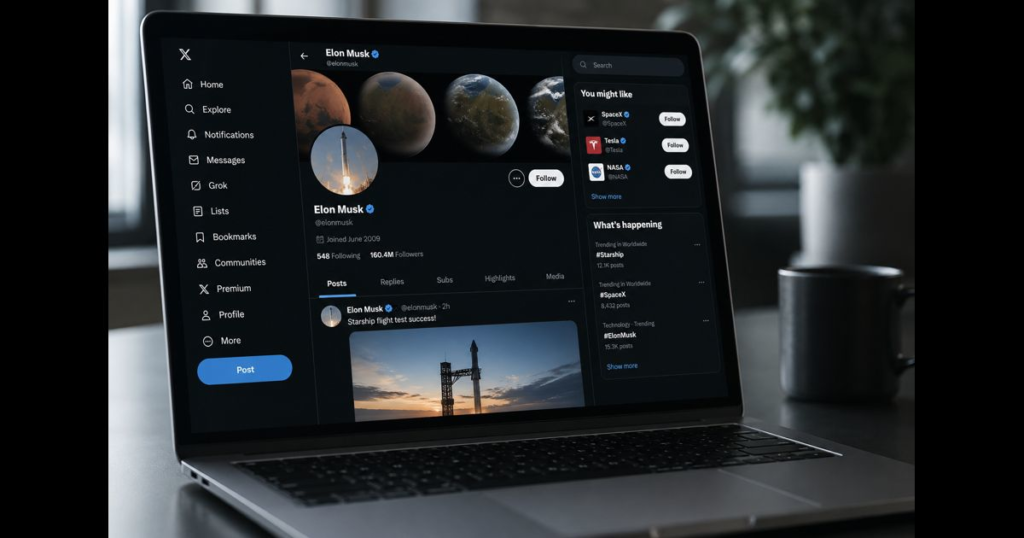
StealthGrams: Exploring the Latest Technology and Digital Trends
Technology continues to change how people communicate, work, shop, learn, and discover information. New digital tools appear regularly, while existing services continue to introduce new features and ways to connect with audiences. Keeping up with these changes can be difficult when information is spread across countless websites and social media feeds. StealthGrams provides a space for readers interested in technology, digital trends, online tools, and practical information. The goal is not simply to follow every new development but to understand how digital changes can affect everyday users, businesses, creators, and online communities. Understanding the Changing Digital World The internet has developed from a place primarily used for websites and email into a much broader digital environment. Today, people communicate through social networks, use cloud-based services, create content with artificial intelligence, and rely on online tools for many everyday tasks. This rapid development creates both opportunities and challenges. New technology can make work faster and communication easier, but users also need to understand privacy, security, reliability, and responsible online behavior. Following resources such as stealth grams can help readers discover different topics related to the evolving online world and find practical ideas worth exploring. Why Digital Trends Matter A digital trend is more than a popular feature or temporary online conversation. Some trends can influence how businesses reach customers, how employees work, or how people consume information. Artificial intelligence is one clear example. AI-powered tools are increasingly being used for writing, research, image creation, customer support, data analysis, and automation. At the same time, users need to check AI-generated information carefully because automated systems can produce inaccurate or incomplete results. Understanding these developments helps people make better decisions about which technologies are actually useful for their needs. The Growing Importance of Social Media Social media remains an important part of the digital environment. People use social networks to communicate with friends, follow interests, discover news, promote businesses, and share creative work. However, social media is no longer simply about posting updates. Users now interact with short-form videos, visual content, communities, live broadcasts, recommendations, and personalized feeds. Creating More Meaningful Online Interactions Good social media communication is often about relevance rather than simply posting more frequently. A useful post can encourage discussion, answer a question, or give followers something worth sharing. Even small details can affect how people interact with content. For example, users searching for fb stylish comments may be looking for creative ways to make their Facebook interactions more interesting and personal. The larger point is that online communication continues to evolve as users look for new ways to express themselves. Businesses can also benefit from understanding how audiences communicate online. Using natural language and responding thoughtfully can create stronger relationships than relying only on promotional messages. Content Discovery in the Modern Internet Finding useful information has become both easier and more complicated. Search engines can provide millions of results, while social media feeds continuously recommend new content. The challenge is deciding which information is relevant and trustworthy. Content discovery tools can help users find articles, discussions, and communities that match their interests. A useful overview of this subject is available in this guide to Social Media and Content Discovery Platform. How Recommendations Influence What We See Modern digital services often use recommendation systems to determine which content users see. These systems may consider previous interactions, searches, viewing habits, and other signals. Recommendations can make it easier to discover interesting content, but they can also create a narrow information environment if users repeatedly interact with the same types of material. A healthy digital routine involves exploring different topics, checking information from multiple sources, and occasionally searching for subjects outside familiar interests. Comparing Different Digital Experiences Not every social network or online service works in the same way. Some focus heavily on public conversations, while others emphasize images, videos, private messaging, professional connections, or specialized communities. Understanding these differences is useful for both individuals and businesses. Engagement Is More Than Numbers A large follower count does not necessarily mean that an audience is highly engaged. Meaningful engagement can include thoughtful replies, useful discussions, shares, and genuine interactions. People deciding where to spend their time online may want to compare how different services handle conversations and content discovery. The discussion in Sotwe vs Twitter provides another perspective on differences between digital communication environments. The right choice depends on what someone wants from an online service. A person interested in public discussions may have different priorities from a creator focused on visual content or a business trying to communicate with customers. Staying Safe While Exploring New Technology Digital convenience should always be balanced with basic online safety. As more personal and professional activities move online, protecting accounts and information becomes increasingly important. Strong passwords, two-factor authentication, software updates, and careful handling of suspicious messages are simple steps that can reduce common security risks. Think Before Sharing Information Users should be careful about the information they post publicly. Personal addresses, financial details, private documents, and sensitive account information should not be shared casually. It is also important to check website addresses before entering login information. Fake websites and misleading messages can sometimes look very similar to legitimate services. Technology can make everyday life easier, but responsible use remains an important part of having a positive digital experience. The Future of Digital Trends The digital landscape will continue to change as artificial intelligence, automation, online communities, and new communication tools develop. Some technologies will become part of everyday routines, while others may remain temporary trends. The challenge for users is to understand which developments provide genuine value. Readers do not need to adopt every new tool immediately. Instead, they can consider what a technology does, what problem it solves, how reliable it is, and whether it fits their needs. Staying Informed With StealthGrams Keeping up with technology does not mean following every announcement or trying every new application. It means developing enough digital awareness to understand important changes and recognize how they may affect